Cartridge used in the SONY DMS-24 automated tape library system installed at CERN in 1995 and still in use by the NA49 experiment. Tape length is 1300 m with 100 GB storage capacity.
Computing and computers
260 Archival description results for Computing and computers
The 8mm backup format is a format for storing magnetic tape data used in computer systems, launched by Exabyte Corporation. It is also known as Data8, often abbreviated to D8 and writes D-Eight on some Sony brand media. The company was formed in order to take the 8 mm video format and make it suitable for data storage. They did this by building a mechanism and a reliable data format that used the common 8 mm video tape technology that was available at the time. This was the first form of helical scanning used commercially for data storage. The ribbon was made vertically and has a length of 112 meters. It was designed to withstand heat and high temperatures. It has been introduced in at CERN in 1994.
This large 7638 disk on the CDC 7600 is primarily used as a sort of « paging store » for tape files and permanent files staged over from the front-end CDC6500.
Now called RSA SecurID, SecurID is a mechanism developed by Security Dynamics that allows two-factor authentication for a user on a network resource. It works on the principle of the unique password mode, based on a shared secret. Every sixty seconds, the component generates a new six-digit token on the screen. The latter comes from the current time (internal clock) and the seed (SecurID private key that is available on the component, and is also from the SecurID server). During an authentication request, the SecurID server will check the entered token by performing exactly the same calculation as that performed by your component. The server knows the two information required for this calculation: the current time and the seed of your component. Access is allowed if the token calculated by the server matches the token you specified.
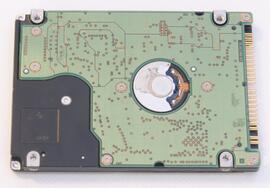
This hard drive was developed by Seagate in 1984, and had a capacity of 20 MB. It was the single most common 20MB drive ever to be produced.